
Keep Your Small Business Thriving With These Strategies
Keep Your Small Business Thriving With These Strategies
Small business success isn’t accidental. It’s built through clear decisions, steady habits, and smart use of resources. Whether you run a local shop, a service-based company, or an online brand, the fundamentals remain the same: understand your business, serve customers well, and create systems that support growth over time. This article is courtesy of CliquePrize®.
By Devon King
January 27, 2026

Keep Your Small Business Thriving With These Strategies
Before diving deeper, here’s a fast snapshot of what consistently works for small business owners who last beyond the first few years.
A Quick Read Before You Dive In
Strong businesses focus on a narrow customer problem, manage cash carefully, build repeatable processes, and use trusted tools instead of doing everything manually. Owners who revisit their strategy quarterly and adjust based on real data tend to grow faster and with less stress.
Start With a Clear Business Focus
One of the biggest mistakes small business owners make is trying to serve everyone. Clarity beats variety. Define who your ideal customer is, what problem you solve, and why your solution is better or easier than alternatives.
When your focus is tight:
● Marketing becomes cheaper and more effective
● Customers understand you faster
● Referrals increase naturally
This clarity becomes the backbone for every other decision you make.
Build Systems Before You Feel “Ready”
Many owners wait until they’re overwhelmed to create systems. That’s backward. Simple systems early on prevent chaos later.
A Practical How-To: Systematizing the Basics
- Write down how you currently handle sales, billing, and customer follow-ups
- Identify steps that repeat every week
- Use software or templates to standardize those steps
- Assign deadlines and ownership—even if it’s just you
- Review and simplify monthly
You don’t need perfection. You need consistency.
Smart Use of an All-in-One Business Platform
As your business grows, juggling separate tools for formation, compliance, websites, and finances can slow you down. Many entrepreneurs turn to an all-in-one business platform to keep everything in one place. A service like ZenBusiness helps entrepreneurs start, run, and grow their businesses without unnecessary complexity. Whether you’re forming an LLC, managing compliance, creating a website, or handling finances, this type of platform can provide comprehensive services and expert support to help ensure business success.
The real advantage isn’t just convenience—it’s reduced mental load so you can focus on customers and revenue.
Know Your Numbers (Even If You Hate Math)
You don’t need to be an accountant, but you must understand a few core metrics. Avoiding numbers doesn’t make problems disappear—it hides them.
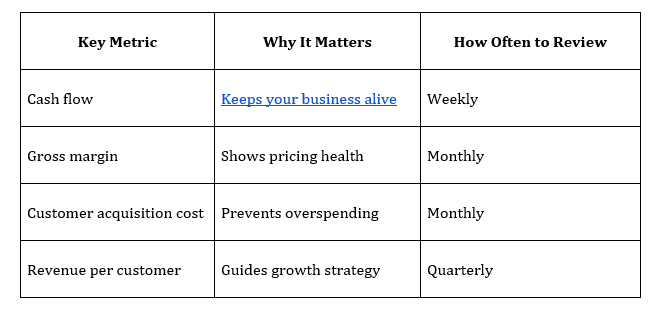
These numbers act like early warning signals. Small issues caught early are easy to fix.
Build Relationships, Not Just Transactions
Repeat customers are cheaper and more valuable than new ones. Small businesses thrive when customers feel remembered and appreciated.
Simple relationship builders:
● Follow-up emails after a purchase
● Loyalty perks for repeat buyers
● Asking for feedback and acting on it
People support businesses that make them feel seen.
Learn From One Trusted External Resource
Running a business means constant learning, but too much advice can create paralysis. One reliable, no-nonsense resource is the U.S. Small Business Administration. The SBA offers free guides, templates, and learning programs that cover everything from planning to scaling. It’s especially helpful for owners who want practical information without sales pressure.
A Simple Checklist for Long-Term Stability
● Review your pricing at least once a year
● Separate personal and business finances
● Document key processes
● Invest in tools that save time
● Revisit your goals every quarter
This checklist isn’t exciting—but it works.
Frequently Asked Questions
What’s the most important factor in small business success?
Consistency. Businesses fail more often from neglect than from bad ideas.
How long does it usually take to become profitable?
Many small businesses take 12–24 months to reach steady profitability, depending on industry and expenses.
Should I focus on growth or stability first?
Stability comes first. Growth without a stable foundation often creates bigger problems.
Do I need formal education to run a successful business?
No. Practical experience, learning from mistakes, and using reliable resources matter more.
Small business success is rarely about dramatic breakthroughs. It’s about doing the basics well, again and again. Clear focus, simple systems, financial awareness, and the right support tools create momentum that compounds over time. When you build with intention, success becomes repeatable—not random.
Image: Pexels
Take the first step today—start with just $29 and try CliquePrize® for your next promotion.
🚀 Ready to take your marketing to the next level? Download the CliquePrize® app and create a FREE Sponsor Account today!
CliquePrize®*** is the iPhone Giveaways mobile app that helps Small Businesses grow by reaching, nurturing and converting local, high value prospects. If you have any questions or feedback, please let us know!***
Follow Us
Small Business Marketing Tips & Advice
CliquePrize® offers a number of ways to keep updated on Small Business Marketing tips and advice. Follow our RSS Feed, get messages straight to your Twitter inbox, add a Chrome extension or receive each new article via email.
